Skip to content
MaplePark Locksmith Co.Open 24/7 (365) 364-0824
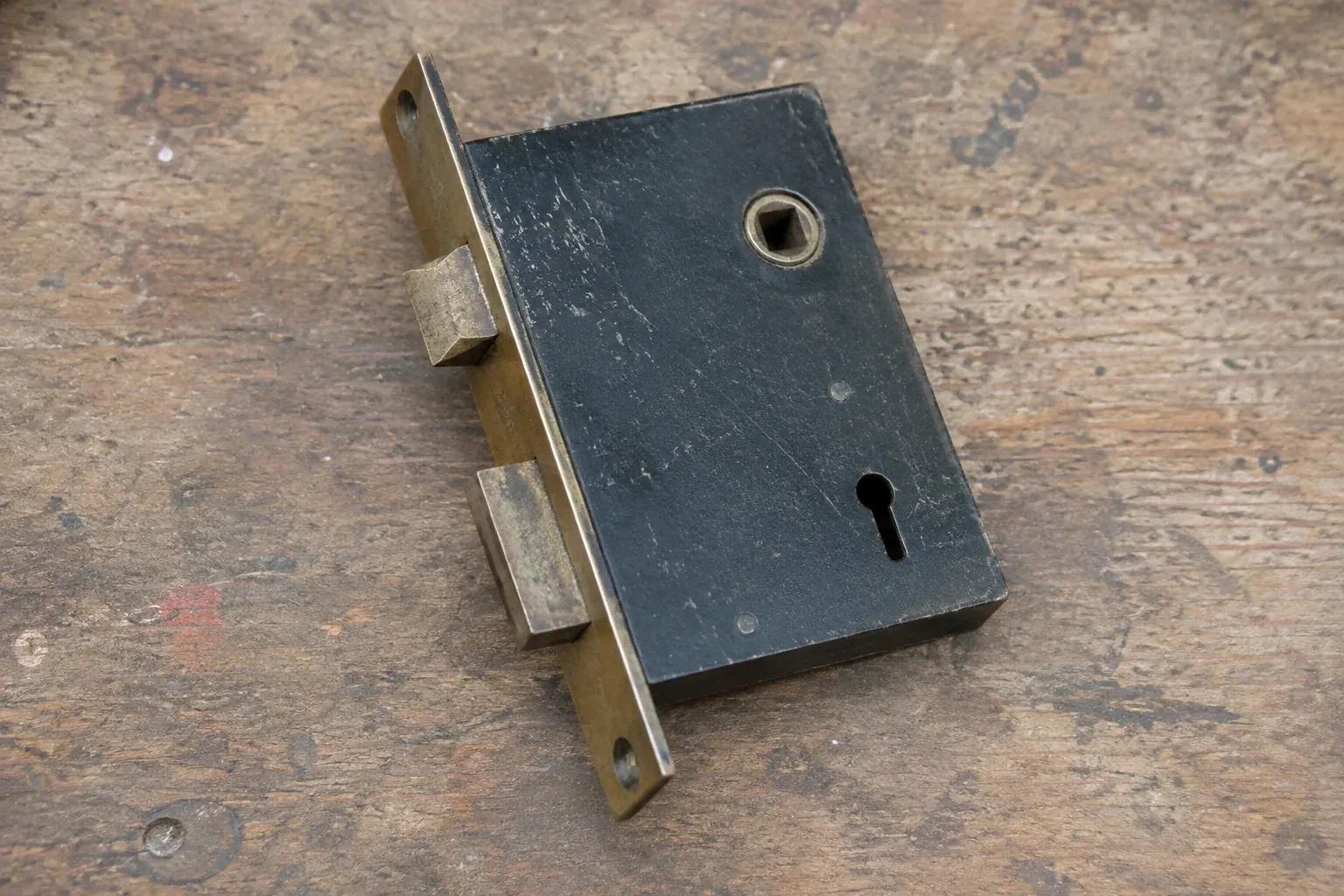
Closed mortise lock case with spindle opening, keyhole, latch and deadbolt on a wooden workbench. — Vintage Mortise Lock Service, Welland

Change or rekey · Welland

Vintage Mortise Lock Service

The interior bedroom doors on the second floor have the original mortise latches, and none of them close any more. The doors drift open, the small brass turn buttons do nothing, and the keyholes have been empty for as long as anyone can remember.

In plain words

Most old mortise locks fail for boring reasons. A coil spring that has been compressed a hundred thousand times since the house was built finally breaks, or the grease inside the case dries into something like wax and the levers stick in it. Neither justifies cutting a new hole in a solid oak door. The service opens the case, cleans out the old lubricant, replaces the springs with the right size, matches any worn follower or lever and lubricates the mechanism lightly. The same case goes back into the same pocket, and the knob returns to level with the crisp snap it had decades ago.

Sound familiar?Welland

The call
The brass knob on the front door of your century home turns, but nothing happens on the other side. The latch stays tucked in, the door swings free, and the only thing holding it shut is the deadbolt and a bit key that has worn down to a nub.
NextHow the visit goes

Vintage Mortise Lock Service · Welland

How the visit goes

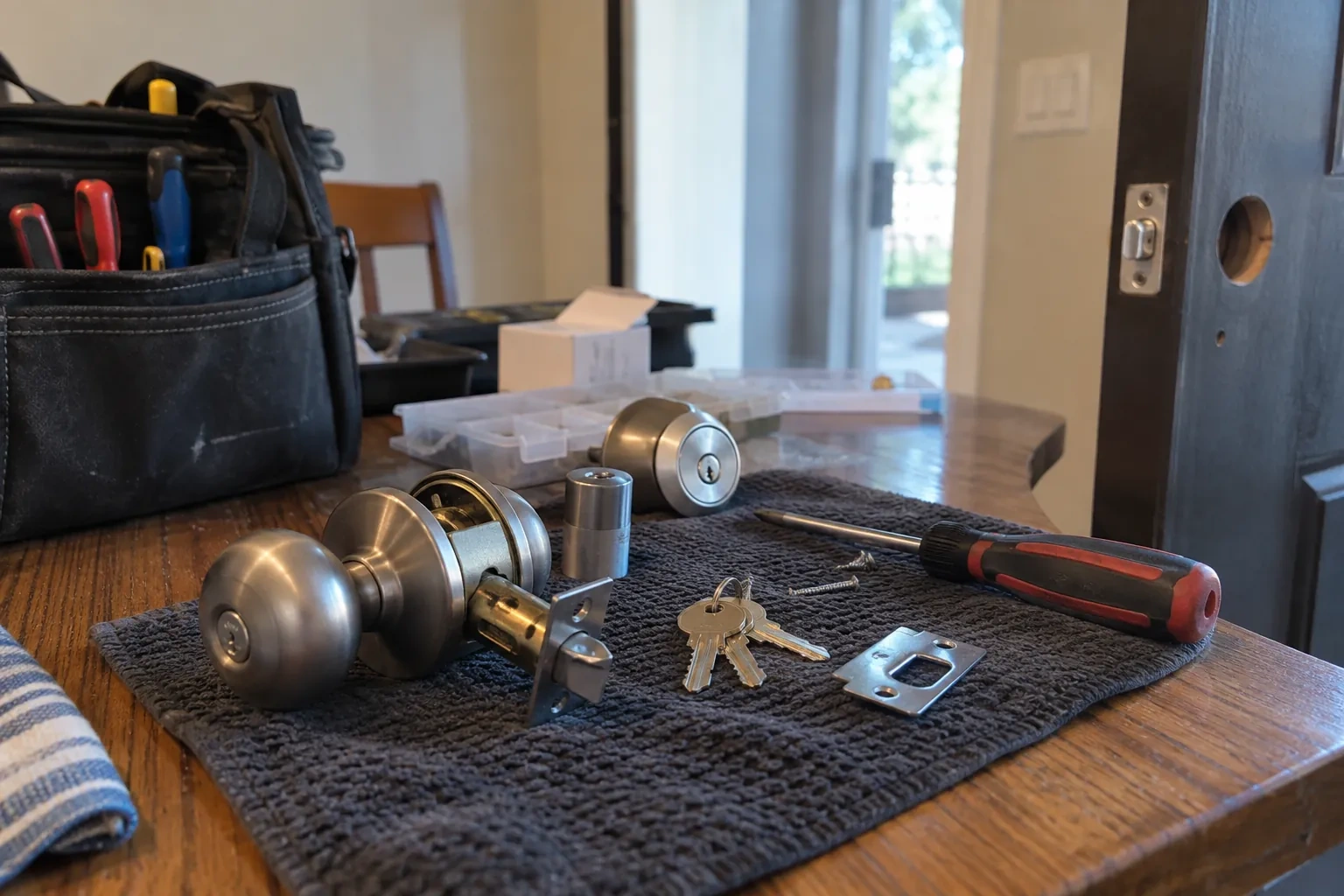
Taken-apart steel door knob, deadbolt, three keys, strike plate and screwdriver on a dark towel, with an open tool bag behind.
  1. Scene 1

    Condition of the wood around the pocket

    The mortise pocket and the screw holes in the door edge carry the whole lock, so their state is part of the assessment. The locksmith probes the faceplate screws for grip, looks for cracks running from the pocket into the stile, and checks whether an earlier repair enlarged the pocket or packed it with something soft. Stripped holes, a split edge or a case that shifts when the knob is turned change the plan: dowelling and re-drilling, a hardwood filler, or longer screws may be needed before the rebuilt case can be trusted. Finding this now avoids surprises once the lock is back in the door.

  2. Scene 2

    Taking the lock out without marking the door

    Removal is done in a set order so nothing is forced. The knob set screws are backed off and the knobs and spindle drawn out, then the escutcheons are lifted away, their screw positions photographed for reassembly. On a cylinder lock, the small set screw in the faceplate is released and the cylinder is unthreaded from the case. The faceplate screws come out, and the case is eased from its pocket with a gentle rock, never a pry bar, because the wood at the edge of an old door is thin. Everything that comes off is bagged and labelled, and the pocket is looked at while it is empty.

  3. Scene 3

    A clear way out

    If the entry door's deadbolt was keyed from both sides, the service leaves the inside operable without a key: a thumb-turn fitted to the bolt tail, or a knob function that releases the latch from inside. This is simply good sense for a door people use to leave the home, so nobody is stuck hunting for a key inside their own house. You are shown how the inside release works and asked to try it, and everyone in the household should know it too, especially anyone who grew up with the old habit of leaving the key in the door on the inside.

In the van

  • Spindle and knob set screws
  • Mortise cylinder and cam
  • Dry graphite or PTFE lubricant
  • Hardwood dowel and wood glue
  • Latch and hub springs

What shapes the quoteMaple Park Locksmith Co.

Replacement case
A case that is cracked or worn through is replaced with a reproduction or modern mortise case sized to the pocket. The case itself, any trimming of the pocket and the refitting are itemised separately from a repair.
Parts that must be ordered
A reproduction case or an unusual cylinder size may have to be ordered to measurement, which means a second visit to fit it. The quote separates the first visit from the return.
Keying doors alike
Bringing several interior locks onto one bit key, or several cylinders onto one flat key, is extra bench work per lock and is simplest to arrange while all the cases are out on the same visit.

FeesSame any hour

Have it ready

Before you call · 0 / 3

(365) 364-0824

Good questions about locks

Can a modern cylinder be fitted to my old mortise lock?

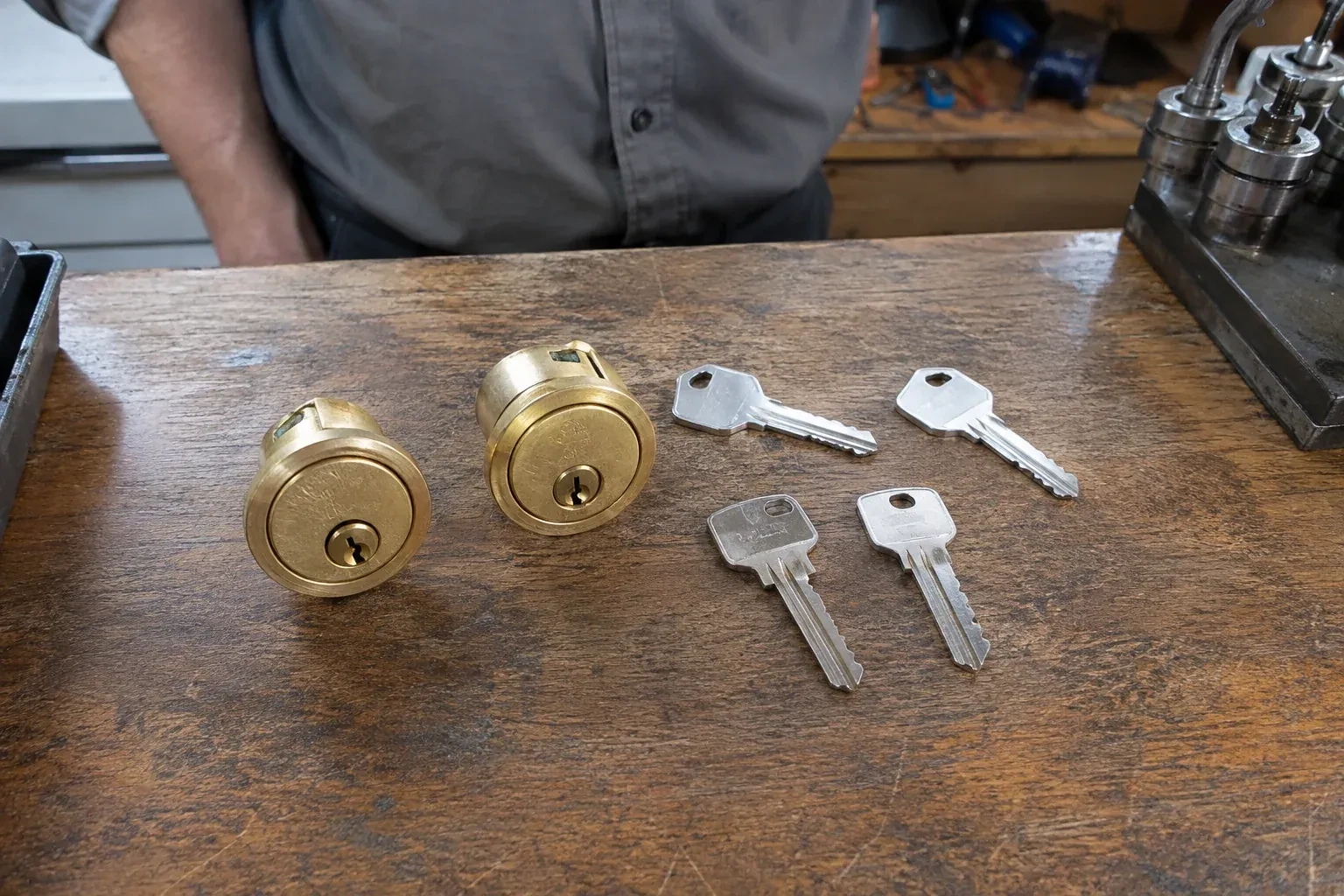
Often, on cases that already take a threaded cylinder. Mortise cylinders are made in standard thread sizes and lengths with different cam shapes, and a new one is selected to match the case and the door thickness. That gives you keys cut on a machine and the option of keying the door alike with the rest of the house. A bit-key case has no cylinder to swap; its keys are made on the bench instead.

What exactly is a mortise lock?

It is a lock built as a flat rectangular case that sits inside a pocket cut into the edge of the door, rather than through a round hole bored across it. The case holds the latch, usually a deadbolt, the hub the knob spindle turns, and the springs. On the faces of the door you see the knobs, decorative plates and either a keyhole for a bit key or a round cylinder. Most doors built before the middle of the last century carry one.

Why does my knob turn without moving the latch?

Most often the square hole in the hub inside the case has rounded with age, or the spindle has worn, so the knob turns a good way before it grips. Loose knob set screws produce the same slack. Less often a latch spring has broken and the latch is simply sitting inside the door. All of these are corrected during service by replacing the spindle and screws, bushing or replacing the hub, or fitting a new spring.

Wellandinformation

NiagaraOntario

Town
Welland, Niagara
In business
35 years
Hours
Open 24/7
Nights, weekends and holidays, same fees
Visits
On-site assessment preferred. Request a visit or call.

2021 census: what it means at the door

Every square is one home in a hundred.

  • 66 in 100 homes · older homes
  • About 66% of homes in Welland were built in 1980 or earlier, according to the 2021 Census.In neighbourhoods of established homes, keys have often been copied many times over many owners. Rekeying every exterior door to one fresh key is the common first job, and it works on old cylinders just as well as on new ones.
  • Single-detached houses make up about 65% of homes in Welland (2021 Census).Detached homes are exposed to weather on every side, so exterior locks see rain, salt and freezing air directly. Choosing hardware with a good finish and a cylinder that tolerates cold, then lubricating it properly, keeps every door turning through winter.

Source: Statistics Canada, Census Profile

Open Welland in Google Maps

On-site assessment

Request a visit.

The interior bedroom doors on the second floor have the original mortise latches, and none of them close any more.

(365) 364-0824, open 24/7.